Standing up a new environment used to mean SSHing into each server, downloading the right binary, writing a systemd unit, configuring credentials, and manually verifying connectivity. With ten servers, that's an afternoon.
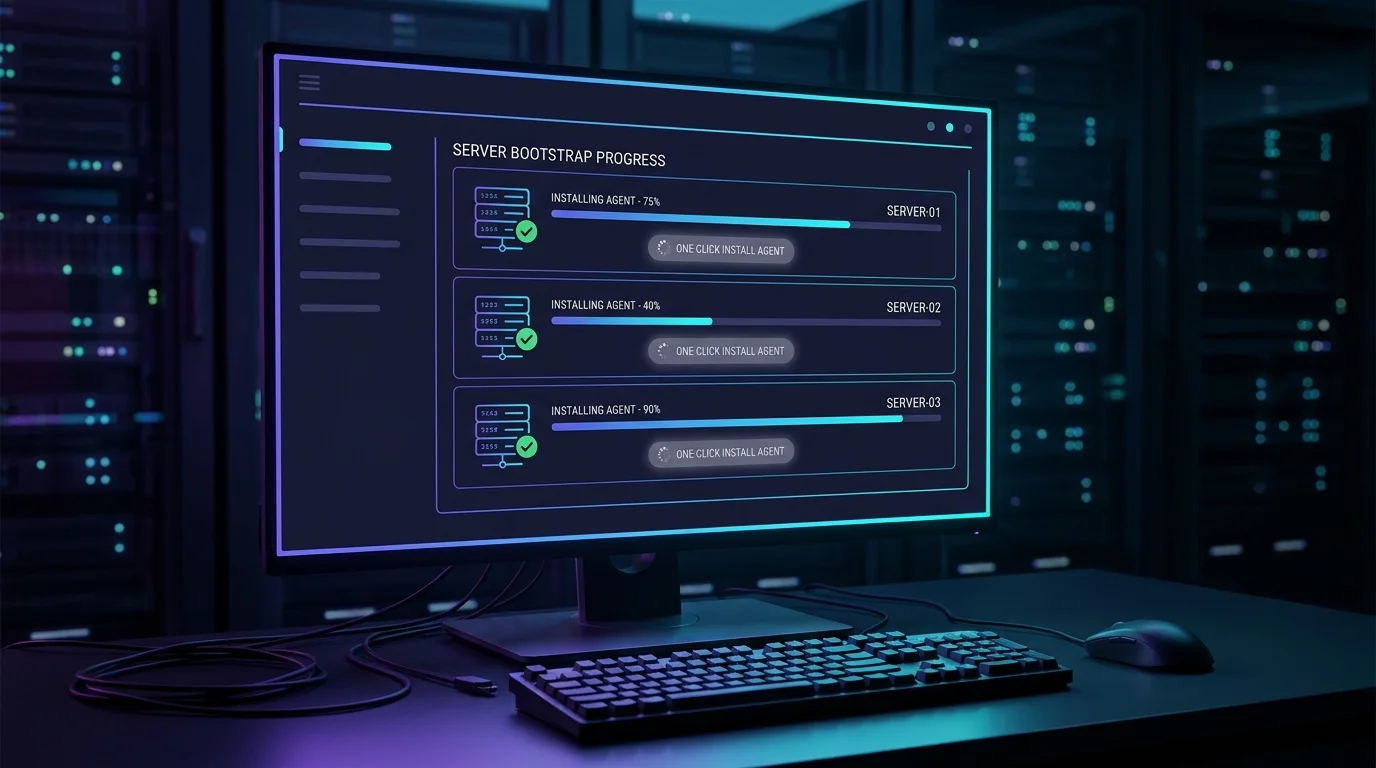
VibeControls cuts this to minutes. Stand up your first node locally with "vibe start" — that running agent drives the remote installs. Then register each server as an SSH Target: hostname, port, credentials. VibeControls validates connectivity and tests the SSH handshake. From there, click "Install Agent" on any registered target and the platform pushes the agent over your source agent's SSH connection, writes the autostart configuration, and registers the agent with your workspace.
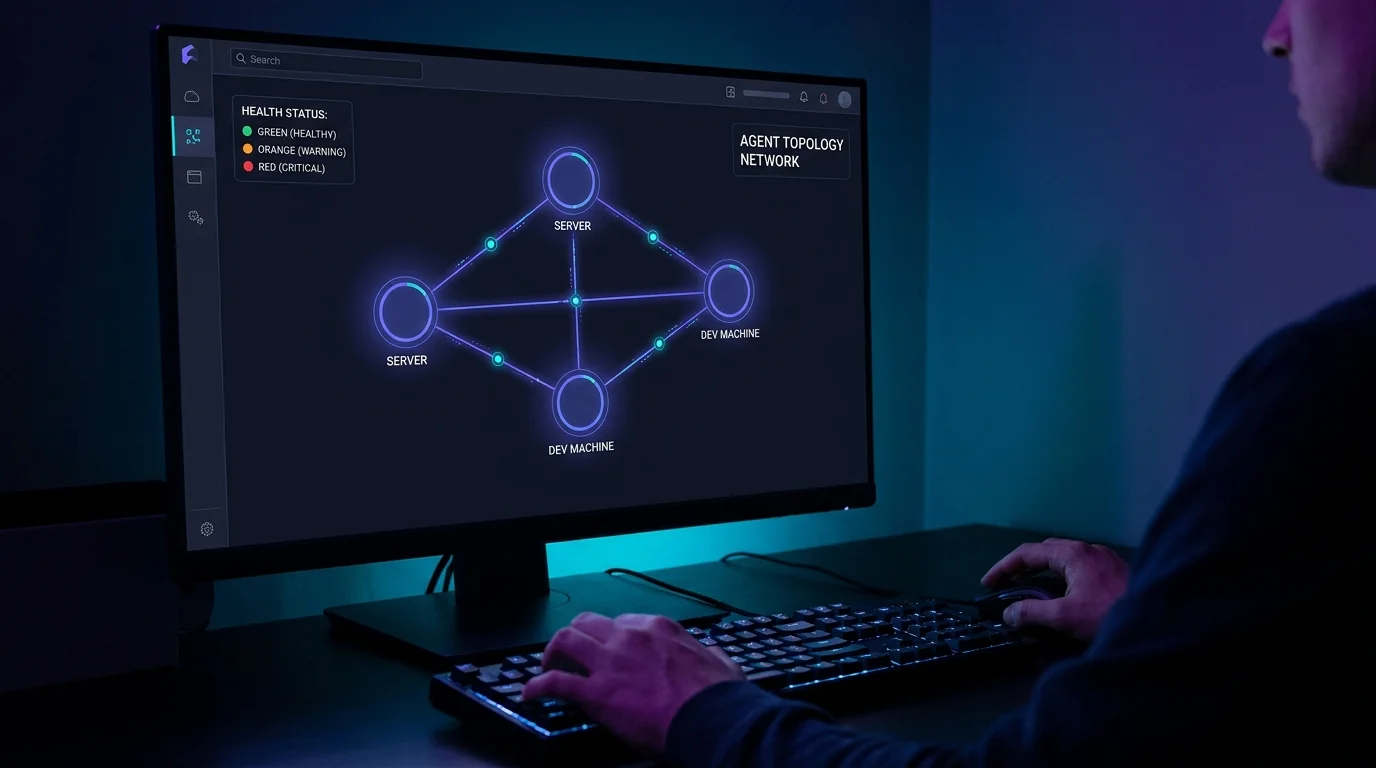
You watch each agent come online in real time — health status, version, platform info. Once online, you can start sessions, install plugins, configure Vibes, and run actions from the same web UI you use for your local machine.
No Ansible playbooks, no manual SSH, no agent version drift across servers. Every machine in your fleet is under the same governance model — RBAC, audit, plugin management — from day one.
Do it yourself
Onboard your first server locally, then register every other server as an SSH target and push the VibeControls agent to each one from the dashboard, watching your whole fleet come online in real time.
On any one machine you control, install and start the VibeControls agent. This first agent becomes the launchpad that pushes the agent out to every other server for you.
npm install -g @vibecontrols/agent && vibe startYou should see: Your first agent registers with your workspace and appears online, ready to drive remote installs.
Ready to make this your story?